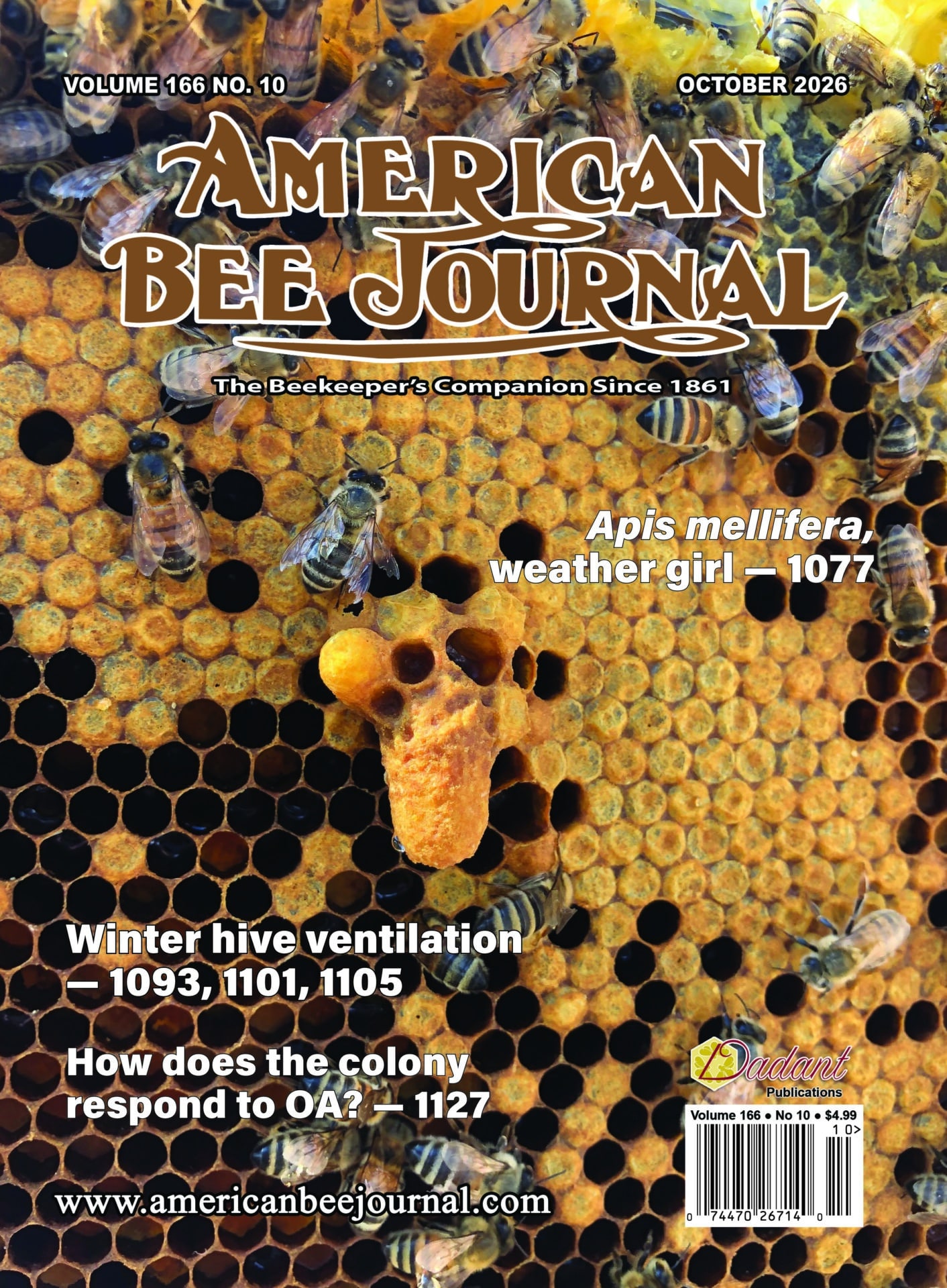

December 2020 Cover
We finish up this queen introduction series with a method that I recommend. I realize beekeepers have numerous ways to introduce queens. In historical beekeeping, even more queen introduction methods abound. In 1948, L.E. Snelgrove published “The Introduction of Queen Bees,” a book on the subject. Consider now a practical, familiar, and reliable method, drawing …
Read More
Increasing use of land for crops in the United States negatively impacts wildlife while producing marginal benefits for farmers In any competition, there are winners and losers. This is abundantly clear in sports, of course, when one team wins the championship and the other loses. But it’s also true in normal life. For example, when …
Read More
Except for a recently discovered parasite of salmon, all animals require oxygen for survival and expel carbon dioxide as a waste product.1 Because animals are so varied, many breathing systems have evolved throughout the animal kingdom, each one designed to work in an animal’s particular environment. Depending on its size and habitat, an animal may …
Read More
Many beekeepers use terms like raw, natural, local, and organic to describe their honey. These words are great for marketing, and show that beekeepers understand that today’s consumer is savvy to honey fraud and contamination concerns. One of these terms is not like the others, however. While any beekeeper using any practice can technically use …
Read More
Other insects have readily developed resistance to pesticides, but honey bees are slow to act Everywhere we look, from antibiotics to chemotherapies to miticides, we find biological resistance to our attempts at chemical control. Perhaps this phenomenon is most dangerous to us in the world of bacterial infections, where, for example, once-easily-treated pathogens like Staphylococcus …
Read More
Q Miscellaneous questions I use Russian stock which gets replaced by nature with Russian queens mated with local stock of unknown genetics. I am working to requeen with Russian queens every third or fourth year. Question #1: I do my splits in April, when queens are available. I use frames of brood with queen cells …
Read MoreTreatments are Harmful to Bees I do not understand why people keep on treating bees with Formic Pro and Checkmite and other things that can hurt your queens. Just look at the picture of the person with gloves and a long sleeve shirt on page 865 in the August 2020 issue. If you need gloves …
Read More
The year of COVID continues to make beekeepers’ lives interesting. Demand for local honey is greater than ever, as is appreciation for those who produce it. Supply houses have begun to gain ground, but still struggle to keep up with orders from a large and enthusiastic new crop of beekeepers. But with most state and …
Read More
Omaha, Neb. – The Davidson Fellows Scholarship Program has announced its 2020 scholarship winners. Among the 20 honorees is 18-year-old Audrey Anderson of Omaha. Anderson won a $25,000 scholarship for her project, Resilin Distribution and Abundance in Apis mellifera Wing Joints across Biological Age Classes. Anderson’s research is the first to demonstrate a relationship between …
Read More