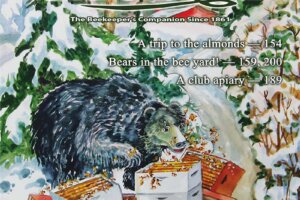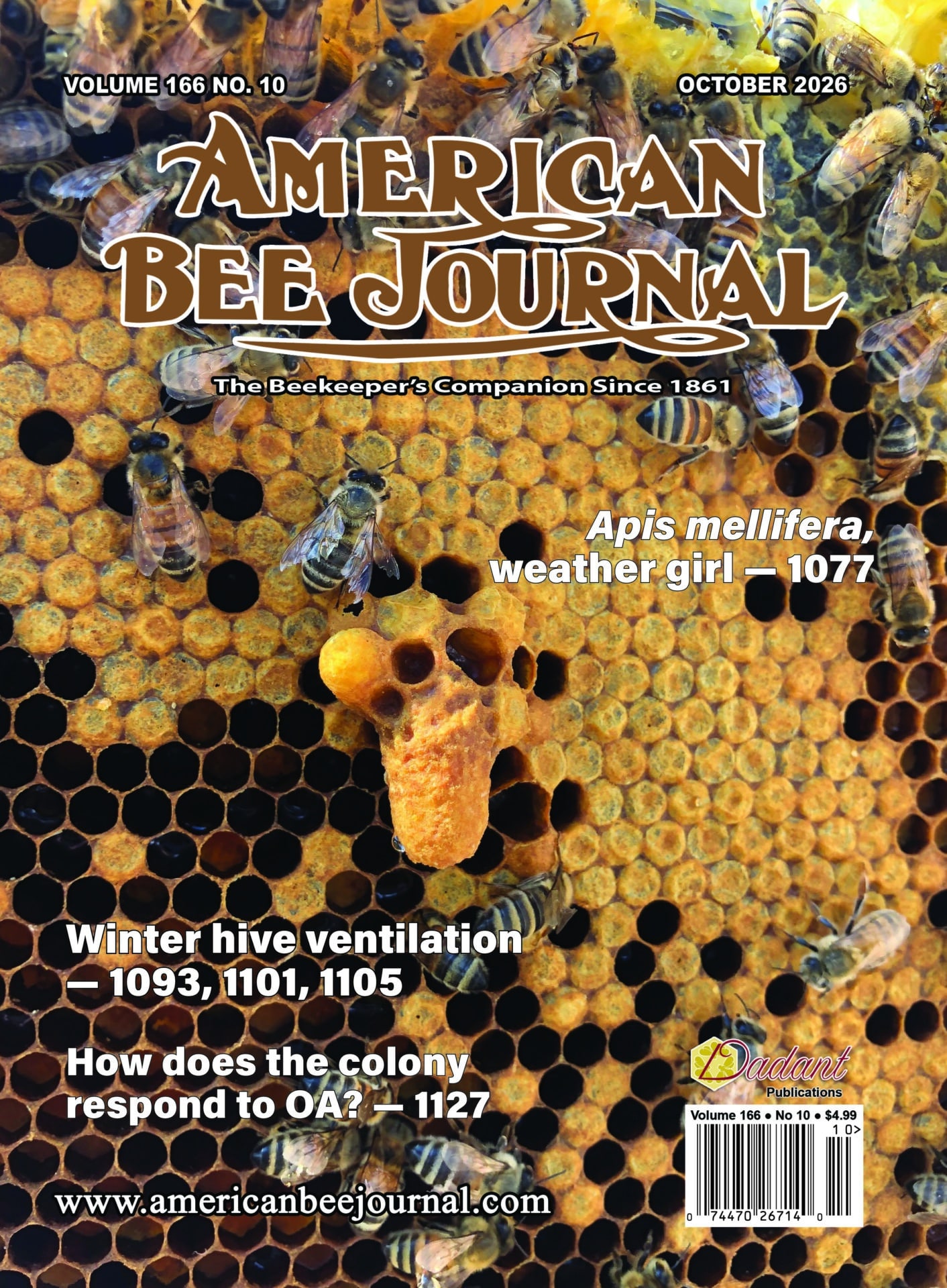

ABJ September 2021 Cover
Posted September 1, 2021
ABJ September 2021 Cover
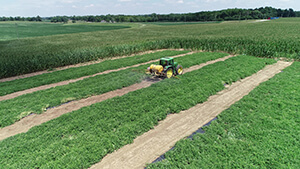
Sarah Adkins took this photo of her husband, Travis, working bees in southwestern Oklahoma. The hives were on an alfalfa field.
Read More
Sarah Adkins took this photo of her husband, Travis, working bees in southwestern Oklahoma. The hives were on an alfalfa field.
Read More
Q Mite controls Would you please set up a survey question for readers to respond to regarding their experiences using various mite control products? Ease or difficulty of use, pros and cons, etc. Most controls are relatively expensive in my opinion. Deciding which one to use based on the manufacturers’ advertisements can be deceiving. Recently …
Read More
New research is settling the debate over whether drone congregation areas really exist A common honey bee party fact is that drones fly to congregation areas to find a queen. But this nugget of knowledge is debated among scientists, since most of the data that led researchers to this conclusion used lures to attract the …
Read More
Undoubtedly it was honey, one of the oldest natural sweeteners, that attracted the first humans to the honey bee. Other than ripe fruits in season, honey was just about the only sweetener in the human diet until cane sugar became common. In the early days many rural households kept bees. Bees and their hives were …
Read More
I shivered in the evening wind as a full moon ripped through the horizon like the morning sun. It looked white hot, but no warmth followed it into the sky. Huddled in my sleeping bag, I made a mental inventory of the desert sounds. As a youngster, I always thought the desert would be quiet …
Read More
One problem with chemical pesticides is although they work on the bad guys (i.e., the target pests), they also work on the good guys (e.g., the organisms you aren’t trying to harm, such as bees or butterflies). This means using chemical pesticides is a bit of a scorched-earth approach to managing problems. On the one …
Read More
Novel apicultural situations, at least in my apiaries, can occur most any time. Here I report on an apparent cause for pupal remnants at the hive entrance fairly early in the spring, due to only the adults of small hive beetle (Aethina tumida). First, I review the known causes of this symptom. I include detailed …
Read More
All beekeeping is local — where both forage and weather are concerned. California’s drought continues, much of the Midwest has been inundated with late-spring rain, and the rest of the country is somewhere between. Northeast Western Pennsylvania reports lower-than average spring rainfall, while the central and eastern regions report wetter conditions. Retail sales are strong, …
Read MoreA Modest Proposal We all know about the “standard” queen marking colors: Blue — 2020 White — 2021 Yellow — 2022 Red — 2023 Green — 2024 However, may I point out that whomever decided upon this code was obviously NOT color blind (not TOTALLY color blind, but the more prevalent red-green-brown type). I would …
Read More
Tucson, Arizona — Whether the pollen honey bees collect comes from spring or fall flowers can be a vital factor in supporting the annual cycle of behaviors that sustain a honey bee colony, according to a study by U.S. Department of Agriculture’s Agricultural Research Service scientists. Biologists know that many animals such as deer or …
Read More