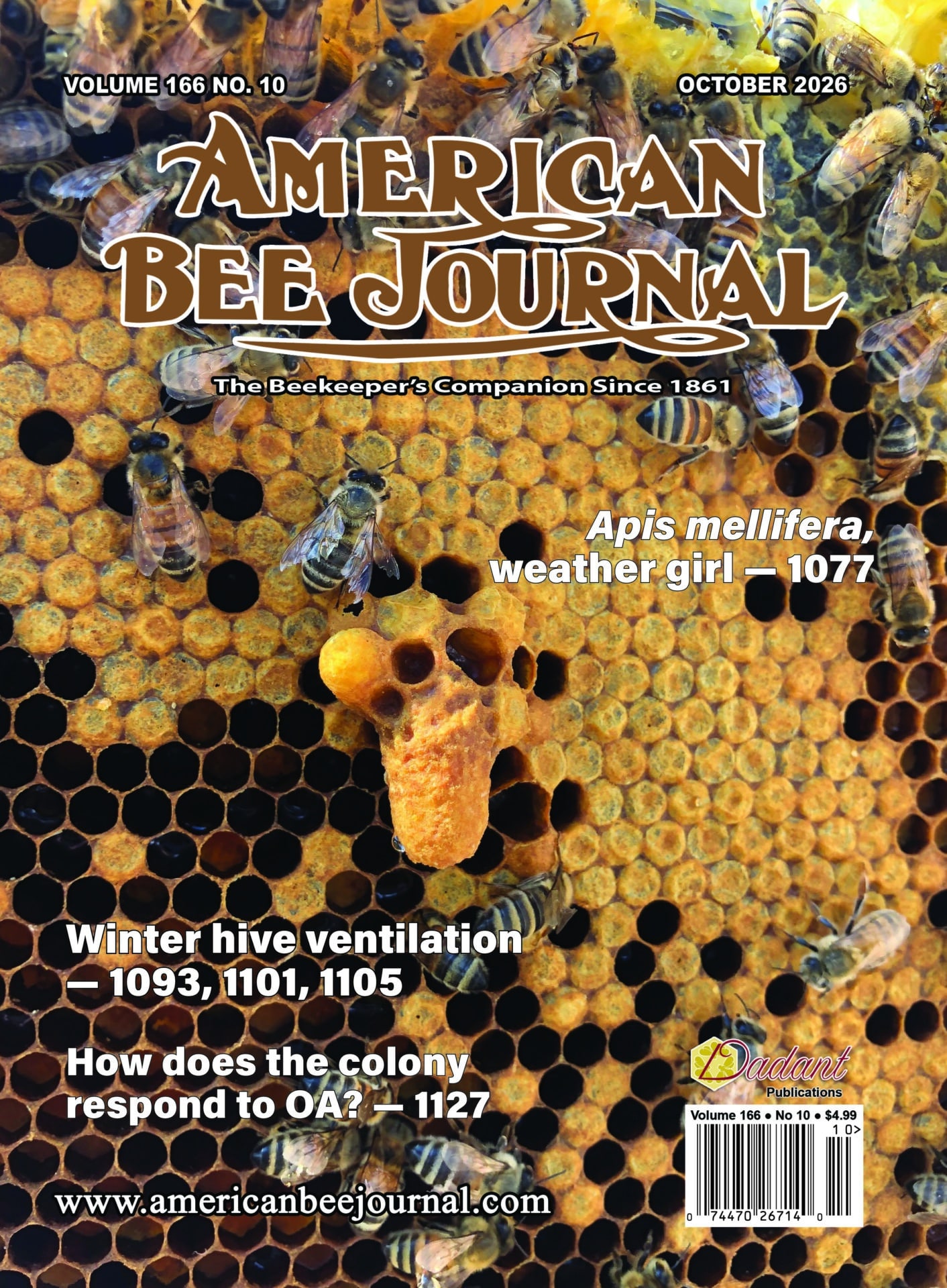


On a late summer day — October, it was — a bitter breeze nipped my face and slithered beneath my jacket. I shivered. Overhead, an arrogant Steller’s jay threatened, scolding me in a harsh, get-the-heck-outta-here voice. And nearby, in a thicket of western red cedar, a Townsend’s chipmunk caterwauled in a rapid chip, chip, chip — sounding more like an agitated robin than a rodent.
The weather, the wildlife, the wind reminded me that honey bees do not live in a vacuum. Although we beekeepers focus on Apis mellifera and her peskiest parasites, we need to appreciate that each of our hives sits at the center of a complex ecosystem, an ecosystem that drives every aspect of honey bee husbandry.
Although your bees, mites, and viral diseases may be standard, the similarities stop there. Even within an apiary, each hive has a unique orientation, graced with sunlight, breezes, and rainfall shaped by its location. And it’s those unique settings that determine which creatures interact with your bees, whether they be mammals, birds, frogs, or caterpillars. Even seemingly irrelevant creatures such as spindly spiders and slimy slugs may affect your bees in surprising ways.
Your bees are not alone
When I look back on decades with honey bees, I marvel at the many things I’ve learned that are not central to beekeeping but tangential to it. Unlike other animals we may harbor, such as dogs and cats, horses and goats, honey bees are wild critters governed by their own rules. Accordingly, we beekeepers spend our lives trying to please them, hoping they will stick around and provide the things we want. We don’t actually “keep” bees any more than they keep us.
Yet apiaries are busy places, brimming with lifeforms that affect our honey bees. For instance, a plethora of pollinators jockey with your honey bees for nectar and pollen, especially insects such as butterflies, beetles, and other bees. Predators who’d like to eat your bees and brood — think wasps, robber flies, and skunks — adore the convenience of a bustling apiary, while other interlopers dream of sharing space within the hives themselves, such as hive beetles, voles, and lizards. And don’t forget the passersby just looking for trouble, visitors such as porcupines, ground hogs, squirrels, and raccoons …